ARTS + SCIENCE KNOWLEDGE BUILDING & SHARING IN XXI (ASKXXI)

Between 2017 and 2019, I co-directed ASKXXI, the first art + science diplomacy program linking Chile and the United States. Supported by the US Embassy in Santiago, the program brought together artists, scientists, designers, and communicators to explore urgent environmental and conservation challenges through immersive travel, fieldwork, and cross-cultural dialogue.

Ten fellows were selected through a juried process and engaged with the marine and terrestrial ecologies of Southern Chile and the Pacific Northwest of the US. Together we visited field stations, laboratories, cultural sites, and communities, weaving connections between research and creative practice. The program nurtured critical and imaginative responses to pressing issues such as salmon sustainability, ocean acidification, harmful algal blooms, land use, wildfires, and global change, culminating in exhibitions and new interdisciplinary works.

LEADERSHIP

Genevieve Tremblay — Co-Director: Executive/Academic Program (US)
Fernanda Oyarzún — Co-Director: Academic Program (Chile)
Belén Gallardo — Co-Director: Executive (Chile)
Nélida Pohl — Co-Director: Academic Program & Communications (Chile)

PROGRAM GOALS

  1. Foster innovation in arts, education, and science communication
  2. Develop critical thinkers and creative builders of knowledge
  3. Introduce foundational knowledge and recent advances in ecology
  4. Deliver cutting-edge artistic, technological, and narrative tools
  5. Activate interdisciplinary collaborations and knowledge networks
  6. Cultivate leaders who integrated new ways of understanding, representing, and rethinking environmental issues

Curriculum & Structure

The program unfolded through four phases combining research, fieldwork, laboratory and classroom study, and studio-based practice. Participants engaged with the marine and terrestrial ecologies of Southern Chile and the Pacific Northwest of the US.

Faculty connected participants with active research on salmon sustainability, invasive species, harmful algal blooms, ocean acidification, conservation, land use, wildfires, and global change—delivering cross-cultural insights and perspectives. Connections with scientists, artists, educators, and technologists at the forefront of their fields sparked broader societal conversations about ecology, and about natural and cultural diversity.

The residential and travel-based aspects of the program provided time and space to explore land and culture, reflect upon looming bioregional threats, and nurture creative dialogue around environmental issues, resulting in new interdisciplinary works.

Fellows (2018–2019)

Ten Chilean artists, scientists, hybrid practitioners, and communicators were selected through a juried process. Their immersive one-year journey introduced them to diverse ecologies, research communities, and cultural contexts in Chile and the US, offering a rare opportunity to reflect on environmental threats and to generate new creative work.

José de la Parra — Filmmaker, science communicator
Marcelo Velasco — Biologist, philosopher
Cecilia Toro — Animator
Thomas Kramer — Agronomist
Pablo Savaria — Biologist
Fernando Mejías — Journalist
Miguel Bolt — Multidisciplinary artist
Marianela Camaño — Architect, educator, artist, performer
Javiera Constanzo — Veterinarian, scientific illustrator
Beatriz Buttazzoni — Animator, science communicator
Nicole García — Graphic and data visualization designer
Bruno Pohl — Honorary Fellow

Program Highlights

United States:

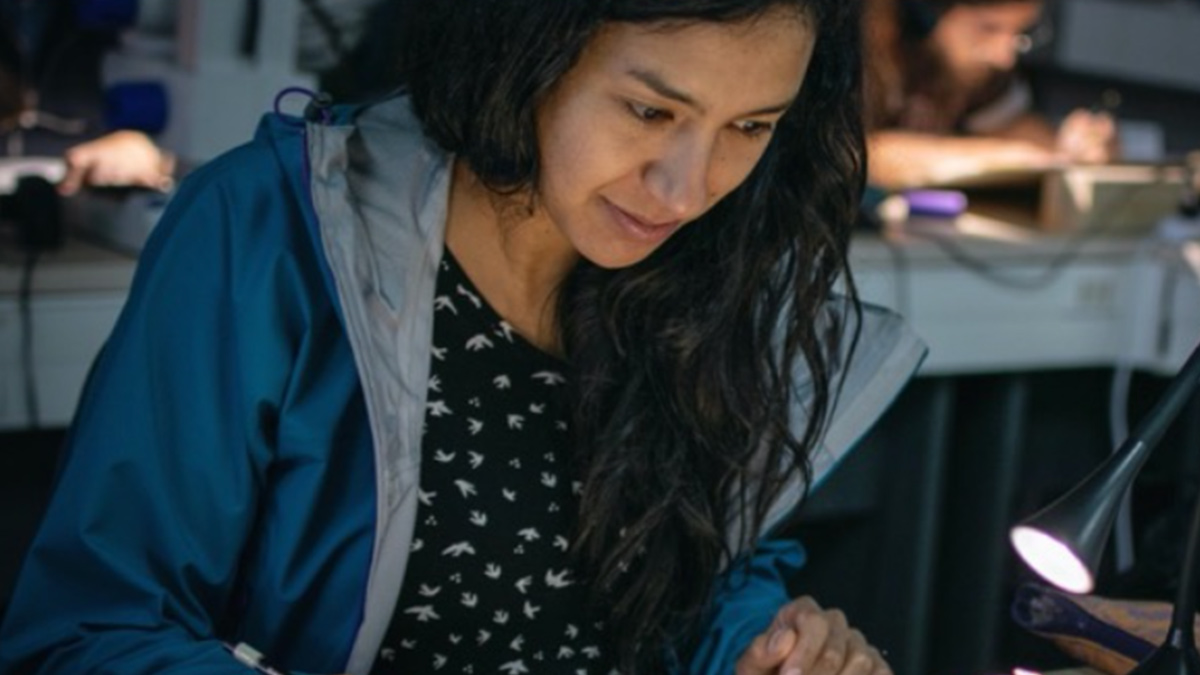
A three-week expedition across the Puget Sound region that catalyzed interdisciplinary networks. Participants visited studios, workshops, and laboratories spanning ecology, embryology, biomechanics, technology research, science communication, and data visualization.

We visited Friday Harbor Laboratories (UW), the DataLab from University of Washington,  University of Puget Sound, Microsoft Research, Schema Design, Pacific Science Center, Altspace VR, Pixvana, Sliprabbit Studio, Amazon Spheres to learn about the leading industry innovations and applications of virtual reality, data visualization. Also National parks, Museums and Artist Studio visits included Slater Museum, Burke Museum, Ballard Locks, Slipprabbit Studio,Ginny Ruffner Studios, George Rodriguez Studio.


Chile:

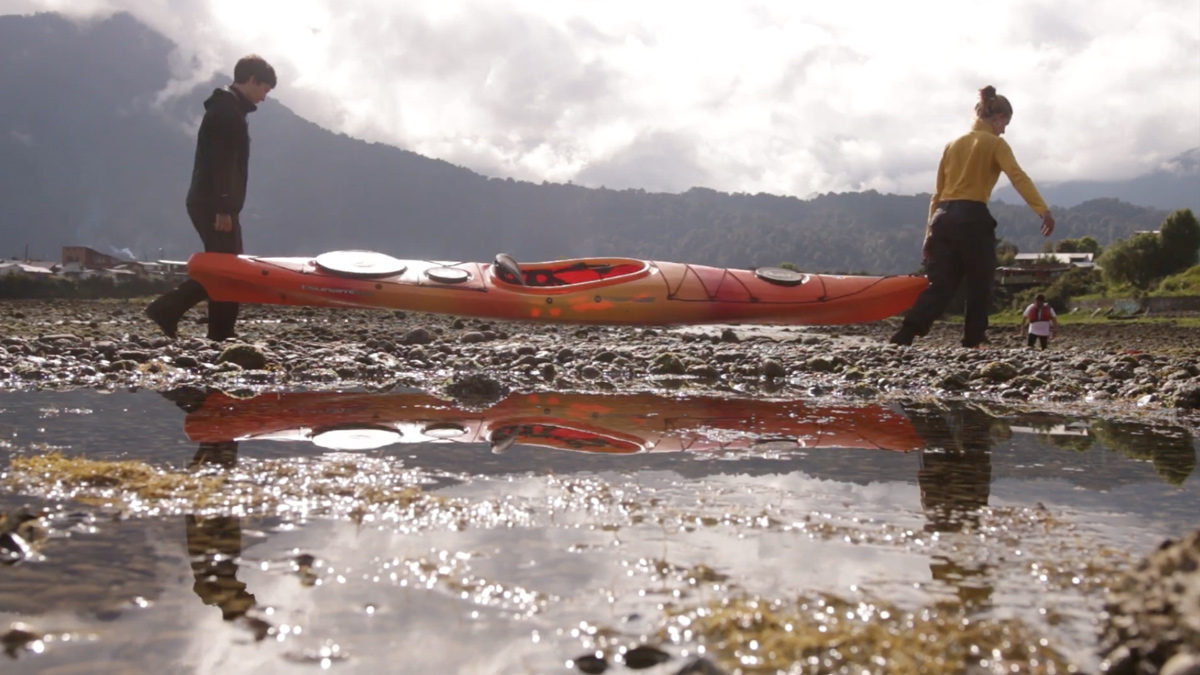
In Chiloé Island we visited  Senda Darwin terrestrial field station and the Melimoyu marine station, engaging with ecologists in both natural and laboratory settings and exploring links between field stations and local communities. In Santiago we explored of animation as a tool for science education, particularly in medical training. In Concepción we visited Bi-Lab at UCSC and we worked on independent development of final art projects, culminating in an exhibition at Universidad Católica de la Santísima Concepción (UCSC) in collaboration with Bienal Concepción, Arte & Ciencia.

Certificate of diploma

Our diploma program, Construction of Interdisciplinary Knowledge Art and Science in the XXI Century, hosted at the Center for Research in Biodiversity and Sustainable Environments (CIBAS) at the Universidad Católica de la Santísima Concepción, is the first program of its kind and our pilot, sponsored by the US Embassy, Chile (Public Affairs) in 2017-19.

References

Tremblay, G., Brice, J., Oyarzun, F. X., Pohl, N., & Gallardo, B. (2022). Ecologies of interdisciplinary research & practice in art + science and technology. Vibrant Ecologies of Research, 1(1). https://doi.org/10.3898/27526119

Oyarzún, F. X., Tremblay, G., Gallardo, B., & Pohl, N. (2020). ASKXXI Research Network: Reimagining Ecology and Art for the XXICentury. Ocean Science Meeting 2020, San Diego, EE. UU. Lightning talk & interactive poster.

Retícula. (2019, March–April). Collective exhibition of the ASKXXI program. UCSC Gallery, Concepción, Chile. (Link)

Selected Press

Oyarzún, F. X. (2018, marzo). ASKXXI: Arts+Science Knowledge – Building and Sharing in the XXI Century. Friday Harbor Laboratories. https://depts.washington.edu/fhl/tidebites/Vol55/index.html

Investigadora de la Facultad de Ciencias y CIBAS representó a la UCSC en congreso internacional sobre ciencias del mar. (2020, abril 8). Página V. https://paginav.cl/2020/04/08/investigadora-de-la-facultad-de-ciencias-y-cibas-represento-a-la-ucsc-en-congreso-internacional-sobre-ciencias-del-mar/

Retícula: la exposición que re-imagina la ecología y arte para el siglo XXI. (2019, marzo 7). Instituto de Ecología y Biodiversidad. https://ieb-chile.cl/noticia/reticula-la-exposicion-que-re-imagina-la-ecologia-y-arte-para-el-siglo-xxi/

ASKXXI: súmate al innovador programa que une arte, ciencia y tecnología. (2018, marzo 23). Instituto de Ecología y Biodiversidad. https://ieb-chile.cl/noticia/askxxi-sumate-al-innovador-programa-que-une-arte-ciencia-y-tecnologia/

ASKXXI, el programa que une arte, ciencia y tecnología. (2018, marzo). Sociedad de Ecología de Chile. https://www.socecol.cl/askxxi-programa-une-arte-ciencia-tecnologia/

¿En qué consiste el programa interdisciplinario ASKXXI?. (2018, agosto 17). TVU. https://www.tvu.cl/comunidades/entrevistas-lcc/2018/08/17/en-que-consiste-el-programa-interdisciplinario-askxxi.html